
AI automation is bringing a new dimension to business systems. Every company is transforming their operations into smart workflows. Manual tasks waste time and resources. Automation makes work quicker and more accurate. Digital change has penetrated each division. Mechanization of repetitive assignments increments efficiency. Business performance and decision-making are improving. Workforce efficiency is increasing with new systems.
Digital tools streamline processes in every sector. Automation reduces errors and improves quality. New solutions simplify everyday business challenges. Faster technology adoption prepares businesses for the future. Automation gives companies an advantage in the face of increased competition. Better utilization of resources increases profitability. AI technology has revolutionized every industry.
What is AI Automation?
With AI automation, tasks are completed by intelligent systems. Machines perform their tasks without human involvement. Smart decisions are made using data and patterns. Both speed and accuracy are hallmarks of AI automation. These systems make every routine task easier and faster. Automation aims to make processes reliable and scalable. Advanced tools read and analyze data. The system is independent and works without human assistance.
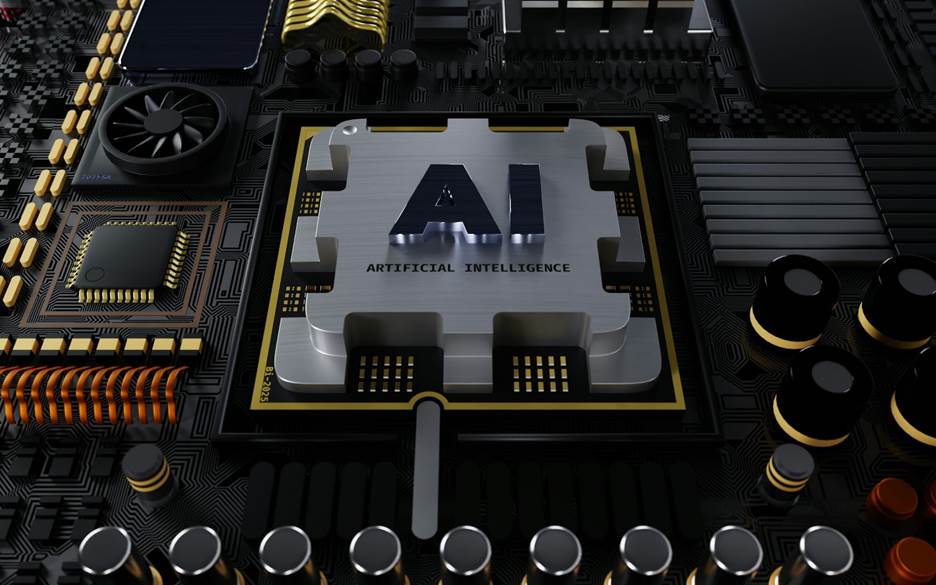
Automation saves cost and time in business operations. Monitoring and improvement of every process becomes easy. AI reduces manual workload and promotes innovation. Systems improve daily performance through their own learning. AI applications automate tasks in every sector. Integration allows systems to communicate effectively with each other. This is the most important part of digital transformation.
AI in data analysis
AI analyzes data quickly and accurately. It reads massive amounts of data and highlights relevant information. Real-time insights are generated for the business. Future predictions and planning are based on accurate data. AI tools make decisions easier by looking at insights. Data mining and trend analysis are a strong part of AI systems. Provides a solid foundation for strategy and planning. Data helps in risk management and optimization.
A data-driven approach improves efficiency and output. AI reduces data complexity and increases clarity. Collecting data from different sources provides benefits. AI analysis is customized to business goals. Data security is improved through AI tools. Each data point is saved for analysis. Data-driven choices make it less demanding to advertise trends.
Improving customer support
AI tools enable 24/7 customer support. Questions are answered quickly and easily, increasing customer satisfaction. The system automatically answers repetitive questions. Support continuous and seamless functions.
- Automated queries reduce resource pressure.
- Real-time support increases customer confidence.
- Complaints are tracked and resolved expeditiously.
- Personalized support is provided by understanding customer data.
- Every interaction is recorded for improvement.
- Automated systems improve the image of companies.
- Services are improved by analyzing feedback.
- Personal interactions increase loyalty.
AI has made customer support easier and more rewarding. Every customer gets timely support. This improves business reputation and increases sales.
Marketing Automation
Marketing campaigns have become smarter and more targeted through automation. Tools understand user behavior and deliver content. AI sends promotions and messages at the best times. Tracking ad performance and conversions has become easier. Budgets and strategies are managed through optimization tools. Automated content posting increases engagement. Relevant messages reach the right audience.

Analytics make it easy to measure campaign success. Data insights make marketing plans faster and more focused. AI increases efficiency at every stage of marketing. Campaigns come about and are analyzed to make strides. Personalized promotion fortifies client devotion. Automation streamlines tedious promoting tasks. Digital advertising optimization is powered by AI. Campaign costs are reduced, and reach is increased.
Role of AI in HR
AI tools make the recruitment process faster and fairer. Shortlisting is done expeditiously through screening of applications. Employee progress is tracked through an automated system. Learning and training plans are developed with smart data. A bias-free hiring system helps create a strong workforce. The employee feedback system is powered by AI. Day-to-day HR operations are easily managed through smart systems. The time tracking and performance monitoring system provides auto analysis.
Talent retention strategies are made effective with AI. AI improves workforce planning and fills gaps. Employee satisfaction and engagement are easily tracked. Training materials are also customized as per the needs of the employees. Payroll and attendance systems are also automated with AI smart tools. AI monitoring is used for employee health and safety. HR decisions have become faster and data-driven.
Finance automation
Financial systems have become transparent and fast through automation. Invoices and payments are managed through an accurate system. Fraud detection is faster with AI tools. Budget arranging is keenly organized with information investigation. Reports are made in real-time, streamlining the survey preparation.
1. Automatic invoices or payments
Invoices and payments are now processed accurately and on time. Manual errors are reduced, and record keeping is improved. Automated systems make transactions fast and secure.
2. Fraud detection and risk analysis
AI quickly detects fraud and stops suspicious activity. Risk analysis minimizes financial losses. AI tools continuously monitor transactions.

3. Budget planning or forecasting
Budget planning is prepared intelligently with the help of data analysis. Forecasting tools give exact budgetary figures. These tools offer assistance in making way better commerce choices.
4. Real-time financial monitoring
Reports are produced in real time, simplifying the review handle. AI screens cash streams and saves with opportune alerts. Financial compliance automation reduces legal risks.
5. Tax calculations or investment decisions
Automatic tax calculation reduces errors and penalties. AI analyzes investment choices to accomplish much better returns. Automated charging and collection streamlines the income cycle.
Main AI manufacturing
AI has made production lines automated and efficient. Smart systems manage inventory and stock levels. Real-time monitoring prevents machine breakdowns. Maintenance scheduling is optimized with AI predictions. Production costs are reduced and quality output is increased. Supply chains are optimized with AI tools. Smart sensors monitor environmental and output metrics. A data-driven control system influences every process. AI improves both efficiency and speed.
Automation reduces production waste and increases sustainability. Flexible manufacturing systems fill new orders quickly. Continuous monitoring reduces both downtime and defects. AI also makes it easier to implement security protocols. Quality control is improved with automated inspection. Production planning is optimized through real-time data.
AI and the future of business
AI tools will play a very active role in future operations. Smart systems are expanding day by day in every field. The combination of automation and analytics proves powerful. AI helps in both innovation and competitiveness factors. Smart technology is essential for digital growth. New solutions and strategies are developed by AI. Human and machine collaboration produces fruitful results. AI integration plays an important role in global business models. AI improves both performance and scalability aspects.

AI increases opportunities to explore new markets and services. Businesses need to adapt to market needs. AI innovation also improves sustainability and resource management. Proper use of technology increases economic growth. Each industry grasps AI and sets modern standards. In the future, AI-powered automation will be the establishment of all commerce.
Conclusion
AI automation has made business systems smart and reliable. Growth and productivity in every sector are increasing. Operations have become lean and result-oriented. Digital tools are supportive in streamlining the preparation. Robotization plays a part in making businesses more competitive. Faster systems improve both efficiency and planning. Effective use of technology has become essential for success. Systems that use automation develop rapidly. The role of AI robotization will extend in the future.
Automation brings both modern openings and challenges. Continuous learning and development offer assistance to companies to reinforce their position. With the right utilization of AI, business objectives ended up less demanding to reach. Appropriation and integration of AI are basic for maintainable advancement. AI makes a difference and makes strides in effectiveness and quality at each level. The era of automation is sweeping the business world.